Home / Articles
Dealing with Pigmentation During Pregnancy? Safe Treatments to Try
Home / Articles
Dealing with Pigmentation During Pregnancy? Safe Treatments to Try
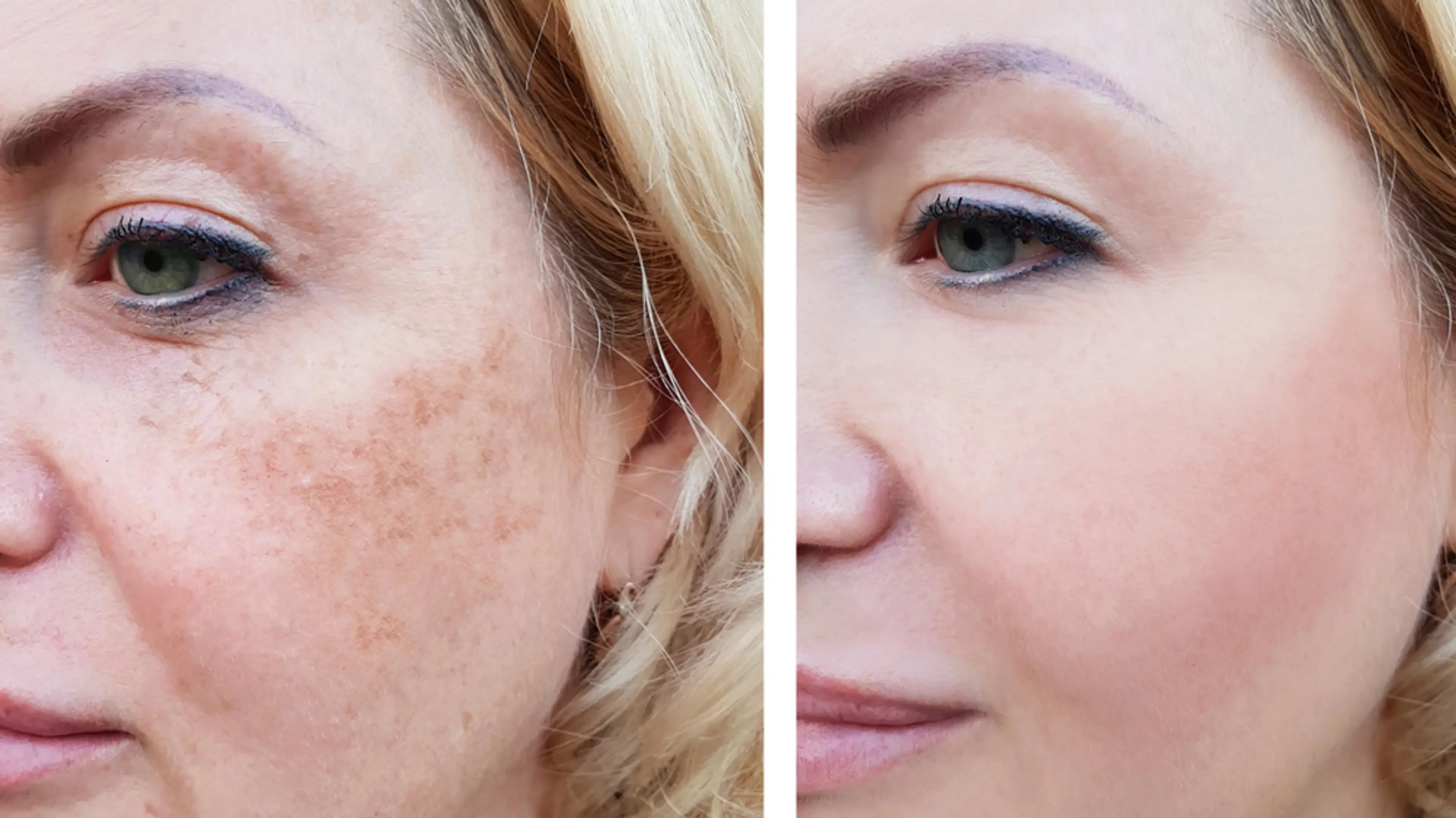
Pregnancy is one of the most transformative times in a woman’s life. Your body changes, your hormones surge, and your skin often reflects the story. While a radiant pregnancy glow is real, many women also face less welcome changes like melasma or pregnancy-induced hyperpigmentation. If you’ve found yourself surprised by dark patches on your cheeks, upper lip, or forehead, know that you’re not alone — and more importantly, it’s manageable.
At Natural Beauty Clinic in Gangnam, we frequently help women navigate these changes safely. With personalized care and dermatologist-guided treatments, it’s possible to protect your skin and minimize pigmentation without compromising your health or your baby’s. We understand how sensitive skin can become during this time and how critical it is to strike the right balance between effective treatment and absolute safety. Here's what you need to know.
Pregnancy triggers a wave of hormonal activity, especially increased estrogen and progesterone, which stimulate melanocytes — the cells that produce melanin (skin pigment). This can lead to:
In women with medium to darker skin tones, this melanin response tends to be more pronounced. Combine that with sun exposure and genetic predisposition, and pigmentation can deepen quickly.
In our clinic, we see many women struggling with melasma due to the region's sunny climate and skincare trends that emphasize bright, even-toned complexions. In Korea, where smooth and radiant "glass skin" is highly valued, even subtle discoloration can feel deeply discouraging. But with care and consistency, you can manage pigmentation in a way that feels both effective and respectful of your pregnancy journey.
Pregnancy skincare requires extra caution. Some ingredients and procedures, though effective in normal circumstances, are best avoided when expecting:
Even common ingredients marketed as "natural" or "gentle" can be irritating during pregnancy, when skin becomes more reactive. Always check with a dermatologist before using new products or procedures.
Just because some treatments are off-limits doesn't mean you can't do anything. At Natural Beauty Clinic, we recommend a holistic, gentle approach that prioritizes prevention, protection, and nourishment.
This is the most critical step in controlling melasma. Ultraviolet radiation worsens pigmentation and triggers melanin activity.
Reapply every 2-3 hours, especially outdoors or after sweating.
Use hats, sunglasses, umbrellas, and physical barriers whenever possible.
Sunscreen isn’t just a protective measure—it’s a treatment in itself. Without it, all your efforts to reduce pigmentation can be undone with a single sunny afternoon.
Certain ingredients are considered safe and helpful:
These ingredients work best when used consistently over time. Combine them in a minimalist routine:
Gentle cleanser (non-foaming, pH-balanced)
Vitamin C serum
Niacinamide serum or moisturizer
Mineral sunscreen (SPF 50)
Gentle cleanser
Azelaic acid cream/gel
Lightweight moisturizer
Avoid using multiple new products at once. Start slowly and patch-test each one. Less is often more, especially with sensitive pregnancy skin.
Professional facials that focus on hydration, soothing inflammation, and strengthening the skin barrier are both safe and beneficial. These treatments:
Reduce irritation that can worsen pigmentation
Support healing in sensitive skin
Enhance the absorption of safe actives
At Natural Beauty Clinic, we offer customized facials with botanical ingredients, oxygen infusion, and calming masks tailored to your skin's condition and trimester. These treatments help restore the skin’s glow and resilience without triggering pigment activity.
Low-level LED light therapy (particularly red and near-infrared wavelengths) can help by:
Stimulating collagen production
Reducing inflammation
Supporting cellular turnover
It’s a safe, non-invasive option that enhances the effects of topical treatments without heat or downtime.
While not a direct treatment for pigmentation, gentle cooling and lymphatic massage can reduce skin stress, support microcirculation, and improve overall tone. We often integrate these techniques into pregnancy-safe facial sessions.
Skincare is only one part of the puzzle. Your lifestyle choices also impact pigmentation.
Pregnancy is a delicate dance of hormones, and even small lifestyle tweaks can tip the balance toward clearer skin.
Many women hope their pigmentation will vanish after childbirth. Sometimes it does. But in other cases, melasma persists for months or even years postpartum. This is when more intensive treatments become viable:
At Natural Beauty Clinic, we often schedule reassessments 3–6 months post-delivery to tailor more advanced treatments once hormones stabilize. We evaluate your skin’s healing, your breastfeeding status, and your long-term goals. Postpartum pigmentation plans are highly personalized and respect your new lifestyle as a mother.
We often see patients who are surprised at how strongly pigmentation affects their self-image. And that’s understandable. Your face is a daily mirror, and sudden dark patches can feel frustrating during an otherwise joyful life chapter.
Here’s the truth we share with our patients:
You don’t have to wait until after pregnancy to care for your skin.
Even small steps — like wearing sunscreen, choosing the right skincare, and seeing a pregnancy-aware dermatologist — can help you feel more in control.
Embracing your changing skin with kindness and a plan is a form of self-care that ripples into every area of your well-being. At Natural Beauty Clinic, we don't just treat skin — we care for the person living in it.
Pigmentation during pregnancy is extremely common and, in most cases, temporary. But that doesn’t mean you have to live with it or ignore it.
Through safe, dermatologist-recommended treatments, you can care for your skin while prioritizing your baby’s health. At Natural Beauty Clinic in Gangnam, we specialize in managing pigmentation with a combination of gentle in-clinic therapies and custom home routines that evolve with your skin and your pregnancy.
Our approach is simple: protect, nourish, and personalize. We’re here to walk with you through this chapter, offering not just treatments but understanding, compassion, and clear guidance. We believe beauty during pregnancy isn’t about perfection — it’s about feeling empowered in your skin.