Home / Articles
How to Get Rid of Post-Acne Scarring with Advanced Laser Therapy
Home / Articles
How to Get Rid of Post-Acne Scarring with Advanced Laser Therapy
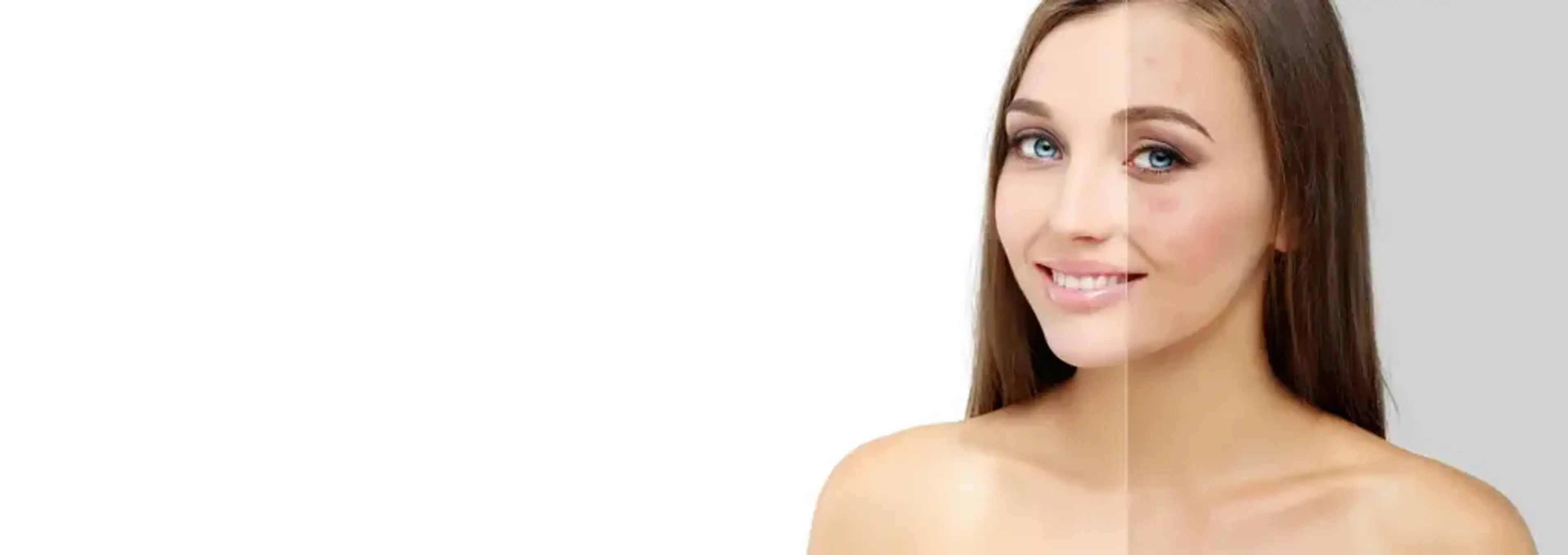
Acne can be a frustrating skin condition — but for many, the real challenge begins once the breakouts subside. You're left not just with clearer skin, but with the reminders of acne’s impact: pitted scars, uneven texture, stubborn dark spots, and patches of discolouration that simply won’t fade. This is where the emotional toll deepens. Patients often ask us at Natural Beauty Clinic in Gangnam: "Why do these scars linger, and what can I do about them?"
The good news is that you don’t have to live with post-acne scarring forever. With the advancement of dermatologic technology, laser therapy has emerged as one of the most effective tools in resurfacing skin, smoothing out scars, and restoring confidence — when applied skillfully.
Let’s break down what causes these scars, how laser treatments help, what options are available, and how clinics like ours tailor this process to Asian skin types, busy lifestyles, and natural aesthetic goals.
Post-acne scarring occurs when the skin’s natural healing process doesn’t restore the tissue exactly as it was before the acne lesion. Instead of a smooth repair, the skin may rebuild unevenly, leaving behind visible changes in texture and tone. There are a few key reasons why this happens — and they depend heavily on inflammation, collagen production, and individual skin type.
When acne lesions, especially cysts or nodules, become inflamed, they damage both the surface and the deeper dermal layers of the skin. The more intense or prolonged the inflammation, the more likely it is to destroy healthy tissue — leaving a “gap” that must be filled during healing. If the body can’t fill this gap perfectly, a scar forms.
Your body tries to repair this damage by producing collagen. But here’s the challenge:
Think of collagen as the scaffolding that gives your skin its structure. In acne scarring, this scaffold is rebuilt inconsistently, creating visible irregularities.
Picking at acne, delayed treatment, or using harsh products can interrupt the skin’s natural healing cycle, increasing the chance of scarring. In some cases, even mild acne can leave marks if it’s not treated early enough or if skin is sensitive to inflammation.
While not a scar in the traditional sense, PIH is especially common in Asian and darker skin tones. After a pimple heals, the inflammation leaves behind excess melanin — resulting in dark spots or red/brown patches. Though these are technically pigment issues, not structural scars, they often persist and affect the skin’s overall clarity.
Some people are simply more prone to scarring due to genetic factors, slower wound healing, or higher melanin content. For example, patients with Fitzpatrick skin types IV–VI are more likely to develop PIH, and those with family histories of keloids are more likely to scar from deeper lesions or trauma.
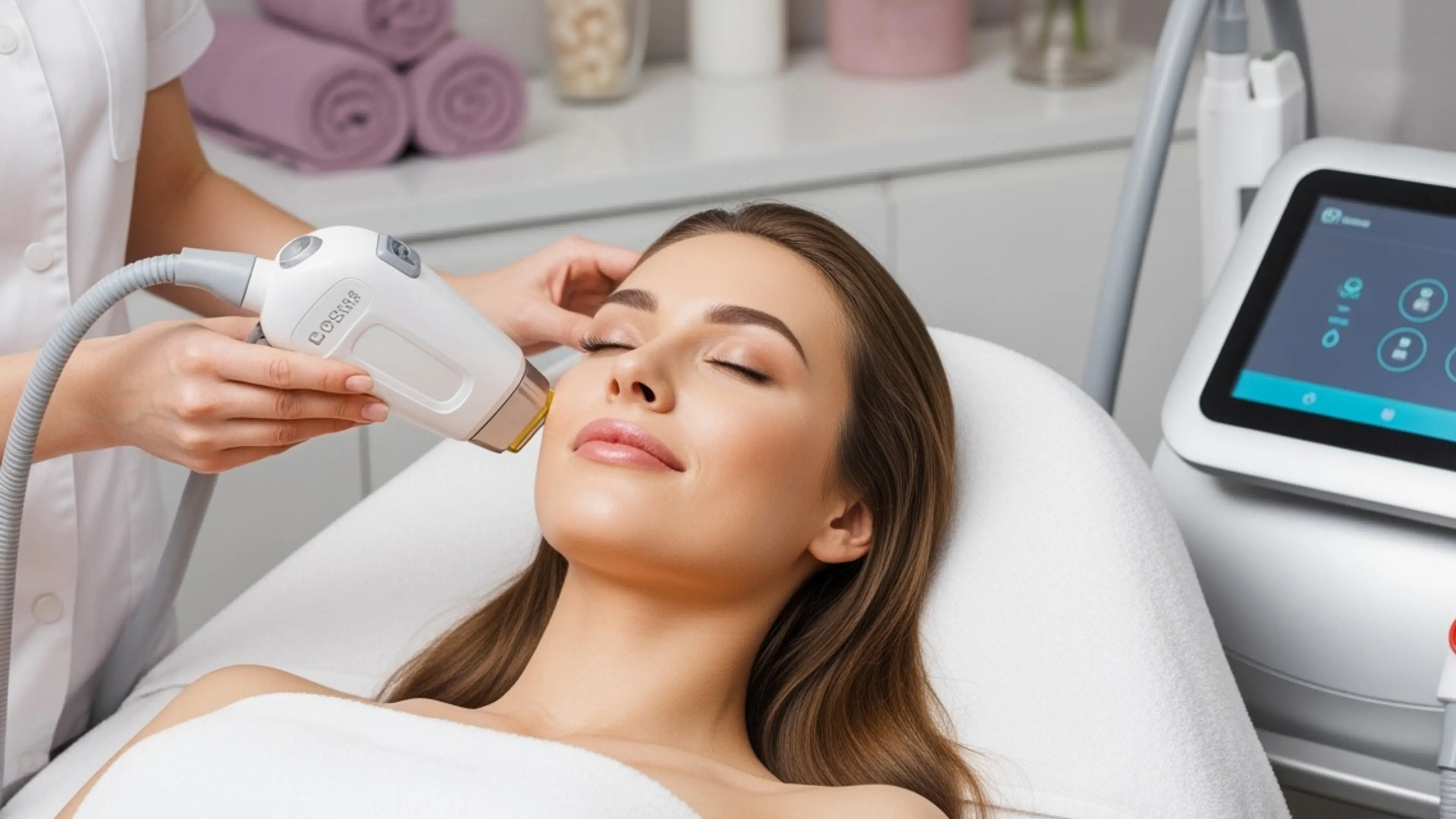
The most effective laser therapies work by creating controlled micro-injuries in the skin. These injuries stimulate the body’s natural wound healing response, triggering collagen and elastin production — essential for plumping and smoothing depressed scars. With consistent treatments, this collagen rebuilding leads to noticeable textural improvements and smoother skin.
Ablative lasers (like CO2 or Er:YAG) remove the outer layers of damaged skin, allowing smoother skin to regenerate. Non-ablative lasers (like the 1550nm fractional or Nd:YAG) heat the deeper layers without damaging the surface, making them ideal for patients who want minimal downtime. Fractional lasers create a pixelated pattern of microchannels that allow new, healthy skin to grow in a more even pattern.
Lasers like Q-switched Nd:YAG or picosecond lasers target excess melanin, breaking down the pigment clusters that cause PIH. This is crucial for Asian skin types, which are more prone to hyperpigmentation after inflammation. In our clinic, pigment-focused laser protocols are combined with calming serums and recovery regimens to minimise rebound pigmentation.
At Natural Beauty Clinic, we often combine laser therapy with subcision, fillers, or microneedling for deeper scars to maximise outcomes. No two scars are the same — so why treat them the same way? Our clinicians use multi-dimensional strategies for optimal skin renewal. For instance, a rolling scar may benefit from subcision before laser treatment to release fibrotic bands that tether the skin downward.
Your skin is assessed under clinical lighting and magnification. We identify the type of scars, their depth, skin tone, and your previous acne history. Patients with darker skin tones are treated with adjusted laser parameters to avoid triggering new pigmentation. We also discuss your lifestyle, work schedule, and social calendar to find the best time to undergo treatment.
You may be advised to:
Avoid sun exposure for 2–4 weeks
Pause certain skincare products (like retinoids, exfoliants)
Begin a pre-treatment calming or pigment-stabilising regimen
Take antiviral medication if you have a history of cold sores (in case of CO2 laser)
Topical anaesthetic is applied. Depending on the type of laser, you may feel a warm snapping sensation or mild discomfort. Most sessions take 30–60 minutes. Afterwards, your skin may feel sunburnt, red, and slightly swollen. In some ablative treatments, tiny scabs or a bronzed appearance may develop before flaking off.
We provide aftercare kits with soothing ointments, post-laser SPF, anti-pigmentation serum, and detailed recovery tips. Follow-up visits ensure we monitor healing and address any concerns early.
In Seoul’s competitive Gangnam district, there are many clinics offering laser treatments — but what sets Natural Beauty Clinic apart is how we personalise each experience:
We also support our patients with follow-up care, routine check-ins, and progress tracking photos so you can visually see the changes happening across your treatment course.
Your acne is currently inactive and under control
You have indented or discoloured scars that haven’t improved with skincare
You’re willing to commit to sun protection and post-treatment care
You understand that multiple sessions may be needed for best results
People with active acne flare-ups or cystic breakouts
Those prone to keloid scarring (raised, thick scars)
Patients unwilling to pause sun exposure or avoid irritants post-treatment
Pregnant or breastfeeding individuals (depending on the type of laser)
During your consultation, our dermatologist will thoroughly assess whether laser treatment is the right path — and if not, guide you to other effective options.
Post-acne scarring can feel like a permanent reminder of your skin struggles — but with the right approach, it doesn’t have to be. At Natural Beauty Clinic, we believe the goal isn’t to erase your skin’s history, but to refine and restore its natural beauty.
With today’s laser technologies — and the right expertise — we can help patients rediscover smoother, more even-toned skin. Improvement may be gradual, but the boost in confidence can be immediate. Even one well-planned laser session can dramatically change how your skin reflects light, how makeup applies, or how you feel stepping outside without cover-up.
If you’ve been living with acne scars and wondering if anything can really help, we encourage you to explore a tailored consultation. Whether you’re local or visiting Korea for a skin-focused journey, our team in Gangnam is ready to walk with you through every step.