Home / Articles
How to Remove Moles and Skin Blemishes with Precision Laser Treatments
Home / Articles
How to Remove Moles and Skin Blemishes with Precision Laser Treatments
If you’ve ever stared at a mole in the mirror — wondering if it’s growing, darkening, or just doesn’t quite belong — you’re not alone. At Natural Beauty Clinic in Gangnam, many of our patients come in not just with cosmetic concerns, but with genuine curiosity and unease. Is it safe to remove a mole? Will it scar? Can lasers really treat it without surgery? And what about that small sunspot or pimple scar that never fully faded? These are real, everyday concerns — and thanks to today’s dermatologic advancements, we now have precise, low-downtime answers.
Korea has long been a global leader in minimally invasive aesthetic medicine, and mole or blemish removal is no exception. In this article, we’ll walk you through how modern laser technology — when used correctly — can safely and effectively refine the skin, remove unwanted lesions, and support long-term skin clarity. We’ll also share how our clinic, led by board-certified dermatologist Dr. Eun-young Lee, personalizes each case for subtle, natural-looking results that align with the “enhance, not alter” philosophy we stand by.
A mole (or melanocytic nevus) is a collection of pigment-producing skin cells — sometimes flat, sometimes raised — and usually brown, black, or flesh-toned. These are common, and most are harmless. However, their visibility, especially on the face or neck, can be a source of self-consciousness for many.
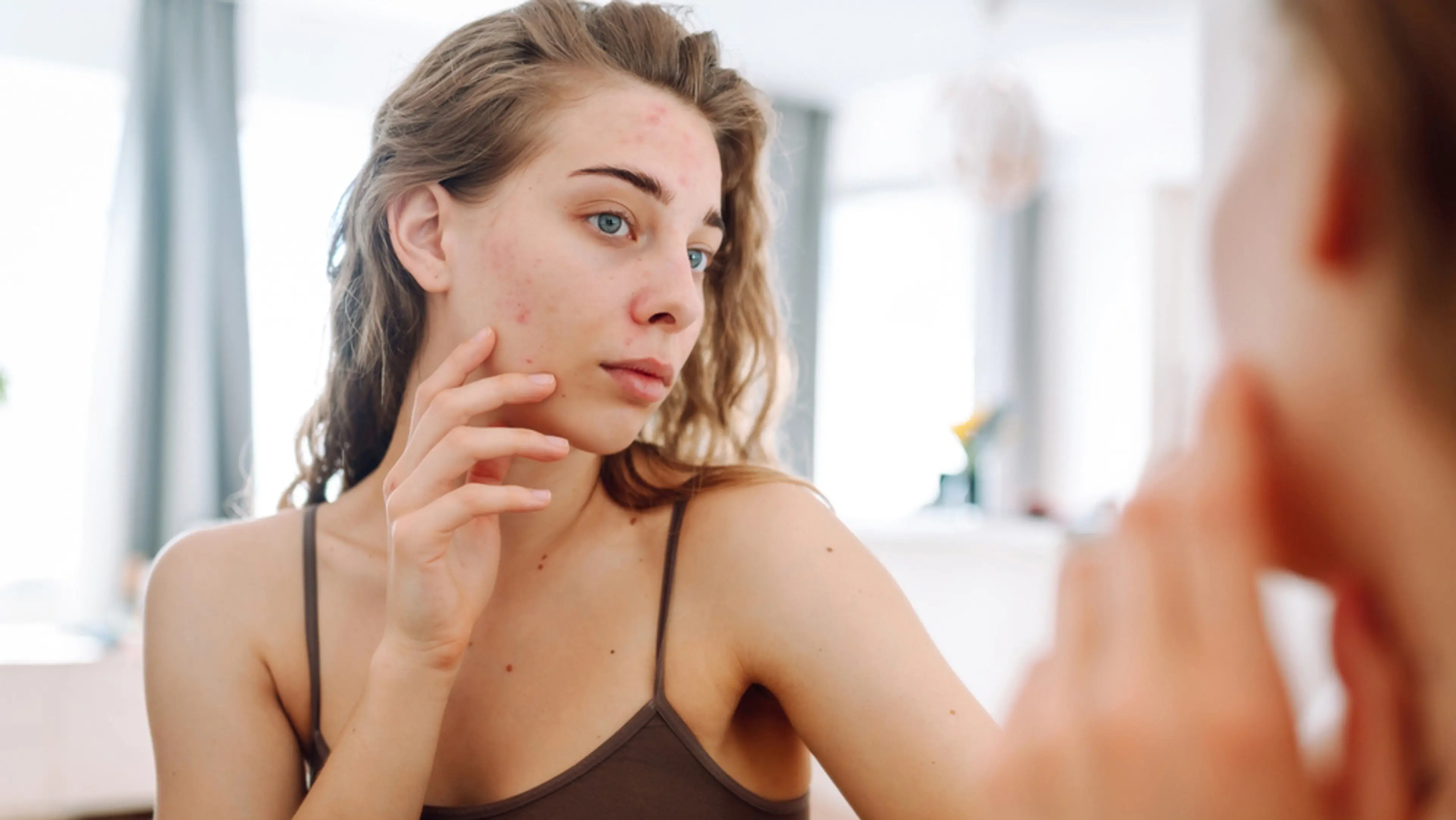
Skin blemishes, on the other hand, can refer to a broader range of issues: pigmentation spots (sunspots, age spots), post-inflammatory marks from acne, broken capillaries, seborrheic keratoses, and other superficial irregularities in tone or texture. In Korean beauty culture, where clear and luminous skin is highly valued, even subtle imperfections can feel magnified.
Understanding the nature of your mole or blemish is crucial because not all marks are created equal — and not all respond the same way to laser treatment. Some lesions lie deeper within the dermis, while others sit on the surface. This distinction influences the choice of laser, the number of sessions required, and even the healing time.
At Natural Beauty Clinic, patients typically seek mole or blemish removal for one or more of the following reasons:
Laser removal of moles and blemishes is one of the most refined, minimally invasive techniques available today. Here’s how the process unfolds at our Gangnam-based clinic:
Our first priority is ensuring your lesion is benign. Using dermatoscopic imaging, magnification tools, and clinical pattern recognition, we assess each mole for any atypical signs. If we suspect dysplasia or malignancy, we’ll refer for biopsy or recommend surgical excision.
Why this matters: Lasers vaporize tissue. That means no sample remains for pathological analysis. We never rush into treatment without clinical clearance.
Each laser functions differently:
We may also combine lasers for multi-layered treatment: e.g., CO2 for surface contouring and Q-switched for pigment lift beneath.
We begin by cleansing the skin and applying numbing cream or a local anesthetic.
The lesion is marked and carefully measured.
Laser energy is applied, layer by layer, vaporizing the lesion while preserving surrounding skin.
Most sessions take 10–30 minutes, with multiple spots sometimes treated in one visit.
A protective ointment or hydrocolloid dressing is applied.
We advise patients to avoid sun, hot baths, and exfoliants for the first week.
Pinkness fades over 2–12 weeks. With proper care, final results are smooth and nearly invisible.
For pigment-prone patients, we often prescribe topical brighteners or barrier-repair formulas to support healing.
At Natural Beauty Clinic, our protocols reflect not just medical standards, but cultural sensitivity, aesthetic subtlety, and patient lifestyle:
Small to medium benign moles on the face or body
Flat or lightly raised pigmented spots
Patients seeking minimal downtime and refined cosmetic results
Individuals who understand that perfect invisibility is rare — but subtle enhancement is powerful
The lesion shows signs of atypia or malignancy
You have active infections, severe acne, or uncontrolled skin disorders
You expect dramatic or overnight results without maintenance
In these cases, we’ll guide you to safer or more appropriate alternatives.
Has my lesion been properly diagnosed?
What technology is being used — and why?
What are the expected results — and limitations?
Will I need multiple sessions?
What’s the healing process like?
Is there follow-up support?
How will this fit into my work/travel schedule?
Being informed sets realistic expectations — and better results.
You don’t need to drastically change your face to feel better about your skin. Sometimes, it’s about one distracting mole. One stubborn sunspot. One decision to finally take care of it.
At Natural Beauty Clinic, we specialize in precision — not overcorrection. We believe in removing what doesn’t serve your confidence, while preserving everything that makes you uniquely beautiful.
Our approach isn’t just about lasers. It’s about your long-term skin journey, supported by expertise, clarity, and care. Whether you live in Seoul or are visiting Gangnam for a beauty-focused trip, we’re here to provide honest evaluations, refined treatments, and lasting results.