Home / Articles
Melasma Treatment: What You Need to Know Before Starting Treatment
Home / Articles
Melasma Treatment: What You Need to Know Before Starting Treatment
If you’ve ever looked in the mirror and noticed uneven brown or grayish patches across your cheeks, forehead, or upper lip that seem to deepen with every sunny day, you may be dealing with melasma. And if you’ve tried every brightening cream, home remedy, or even the occasional laser session only to feel frustrated by its stubborn return, you're far from alone.
At Natural Beauty Clinic in Gangnam, Seoul, melasma is one of the most common concerns we help treat. It’s also one of the most misunderstood. Many of our patients arrive after months or even years of trying various products or procedures with little success — not because melasma is untreatable, but because it requires a completely different approach than standard pigmentation.
Before starting any treatment, here’s what you need to understand about melasma, what actually works, and why a personalized, long-term strategy is your best path to clearer, more radiant skin.
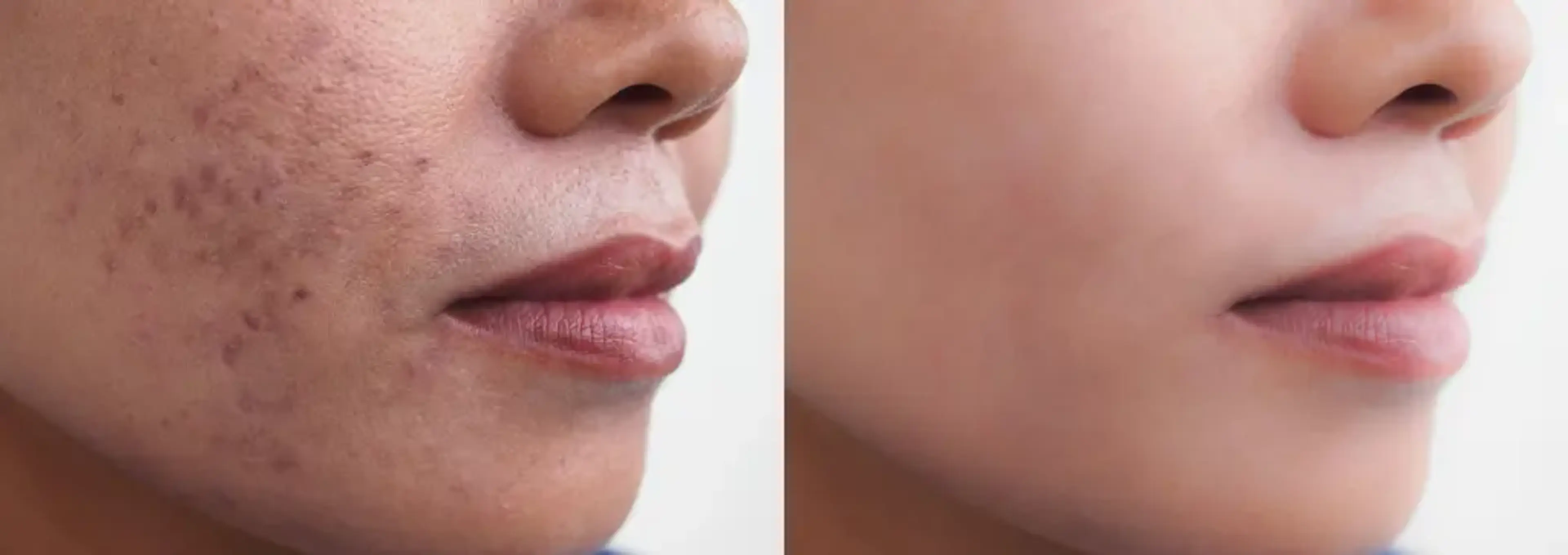
Melasma isn’t just hyperpigmentation. It’s a complex, hormone-sensitive condition that shows up as symmetrical patches of discoloration, primarily on the face. Unlike post-inflammatory pigmentation or sunspots, melasma is influenced by internal and external triggers, making it especially persistent and prone to relapse.
In Korean and East Asian skin types (Fitzpatrick III to V), melasma can be even more challenging because pigment cells (melanocytes) are naturally more active. Add in Korea’s intense seasonal sun and widespread cultural preference for bright, even-toned skin (think "glass skin"), and it’s easy to see why this condition becomes such a frustrating issue.
The pigment in melasma sits both superficially (epidermis) and deeper in the dermis, which is why many treatments that target only surface-level discoloration often fail.
Melasma also has a mind of its own. What works for one patient might irritate another. And the emotional toll is real: constant concealment with makeup, avoiding selfies, or turning down social plans. Understanding the stubborn nature of melasma is the first step in shifting your mindset from “quick fix” to “strategic care.”
Understanding your triggers is key. At our clinic, we often help patients identify these common culprits:
Think of melasma as a skin condition that "remembers." It can lay dormant and return with the slightest trigger.
One of the most heartbreaking stories we hear is from patients who tried to “fix” melasma quickly, only to make it worse. Whitening creams with high concentrations of hydroquinone, unregulated skincare with steroids, or repeated chemical peels may initially lighten the patches — but at the cost of skin barrier damage or rebound hyperpigmentation.
What often happens is a cycle: lightening, irritation, rebound, and darker pigmentation than before. At Natural Beauty Clinic, we see many patients who come to us after 6–12 months of trying DIY solutions or jumping between clinics.
Melasma isn’t a problem you can erase in one session. It’s more like managing a chronic skin condition: with the right tools and patience, it becomes controllable and less visible. Think of it like managing acne or rosacea — not a one-time cure, but an ongoing partnership with your skin.
Not all skincare is created equal. For melasma, we favor gentle brighteners that reduce pigment production without irritation:
Sunscreen isn’t optional. Broad-spectrum, mineral-based SPF (zinc oxide or titanium dioxide) is essential — and must be reapplied every 2–3 hours, especially when outdoors. Hats, umbrellas, and even UV-protective clothing can offer additional defense.
Not all lasers are melasma-safe. Heat-based devices or too-strong pulses can worsen the pigment. At Natural Beauty Clinic, we use:
Our philosophy: lower energy, longer intervals, customized settings — and never a one-size-fits-all approach. This reduces the risk of rebound pigmentation and respects the skin’s healing timeline.
At Natural Beauty Clinic, your first visit includes a detailed skin analysis to identify the depth and type of pigmentation. Is it mixed-type melasma? Primarily dermal? Is vascular activity involved?
From there, we create a tailored plan combining:
Professional skincare products
Non-aggressive laser toning
Supportive oral therapies (if needed)
Lifestyle adjustments
And yes, we take into account your schedule, travel plans, and skin tolerance. Our goal is always a long-term result with minimal risk. Education is a major part of our approach. We explain why a certain laser is chosen, why we avoid over-treating, and how you can support results at home.
Follow-ups are essential. Melasma is not a condition we "treat and forget." Ongoing assessment allows us to adjust your protocol as needed, avoid overtreatment, and sustain results over time.
Expectation management is crucial. Most patients start noticing subtle improvements after 4–6 weeks. Significant fading takes 8–12 weeks or more.
In many cases, patients reach a visible improvement plateau around month 3. Maintenance then becomes the focus — preventing flare-ups and extending your results.
Melasma can be stubborn, but consistent care truly makes a difference. Think of it like dental hygiene: regular maintenance prevents flare-ups and keeps your skin clear and glowing.
“Can’t I just laser it off?”
No. Aggressive laser treatments often worsen melasma. Gentle, layered approaches work better.
“It always comes back, so why bother?”
Melasma may recur, but with the right care, it becomes manageable and far less noticeable.
“Whitening creams work fast!”
Some do, but they often damage your skin barrier, leading to long-term issues.
“I never go in the sun, so I don’t need sunscreen.”
Indoor light, blue light from screens, and incidental UV all affect melasma. Sunscreen is non-negotiable.
Seoul is home to some of the most advanced skin clinics in the world, and Gangnam is the epicenter. But technology alone isn’t enough. When it comes to melasma, experience and restraint matter just as much.
At Natural Beauty Clinic, we blend medical-grade technology with the clinical wisdom to use it safely. Our founder, Dr. Eun-young Lee, has treated thousands of pigmentation cases and personally oversees all protocols.
We understand the nuances of Asian skin, the emotional weight of pigmentation, and the lifestyle factors that influence flare-ups. Our multilingual team supports both local and international patients with empathy, education, and exceptional care.
Whether you're based in Seoul or visiting Korea for medical beauty tourism, our clinic offers reliable, medically sound melasma treatment plans that respect both your time and your skin's biology.
Melasma isn’t just a skin issue — it’s emotional. We’ve seen patients avoid photos, cancel events, or cover their faces in heavy makeup for years. But here’s the truth: with professional care, long-term consistency, and the right expectations, melasma can fade.
If you’re dealing with stubborn pigmentation and want a plan built for your skin, consider visiting Natural Beauty Clinic in Gangnam. Here, personalized laser solutions and pigment-safe strategies are the standard, not the exception.
Your skin has memory — but it also has resilience. With the right care team, the right tools, and a gentle, steady approach, you can rediscover your natural glow and feel confident in your skin again.