Home / Articles
Mole and Skin Blemish Removal: Non-Invasive Solutions You Can Trust
Home / Articles
Mole and Skin Blemish Removal: Non-Invasive Solutions You Can Trust
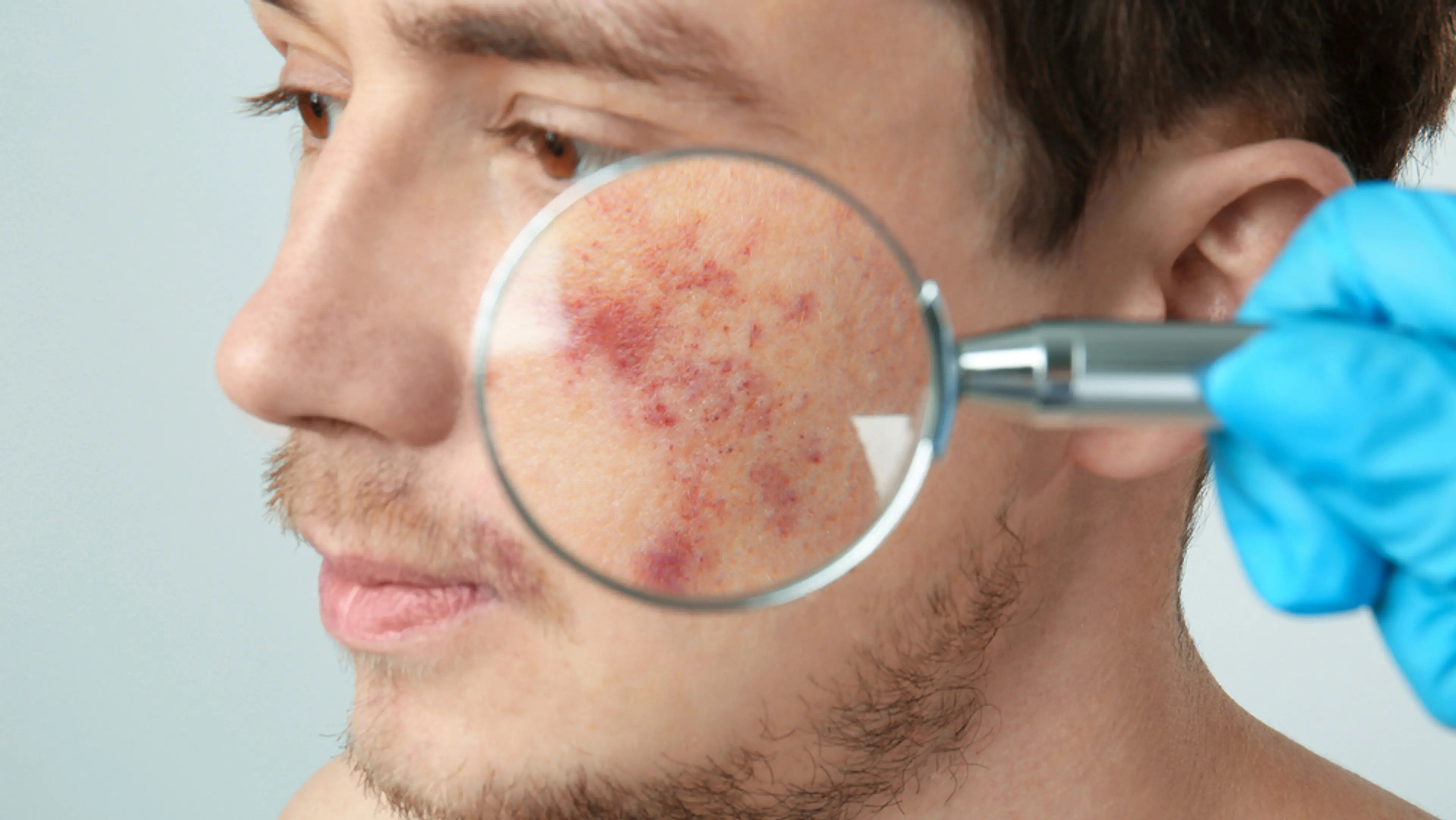
If you’ve ever looked in the mirror and fixated on a mole or skin blemish that you wish could just... disappear, you’re not alone. At Natural Beauty Clinic in Gangnam, Seoul, we hear this concern almost daily. Whether it’s a small mole on the cheek or a flat sunspot across the forehead, many patients are curious about whether these marks can be safely and subtly removed. The good news? With today’s advanced non-invasive and minimally invasive dermatologic technologies, they can — often with minimal downtime and beautifully natural results.
But before jumping into treatment options, let’s understand what’s safe to remove, what your choices are, and what to expect in terms of healing and outcome. Because when it comes to your skin, informed decisions are beautiful decisions.
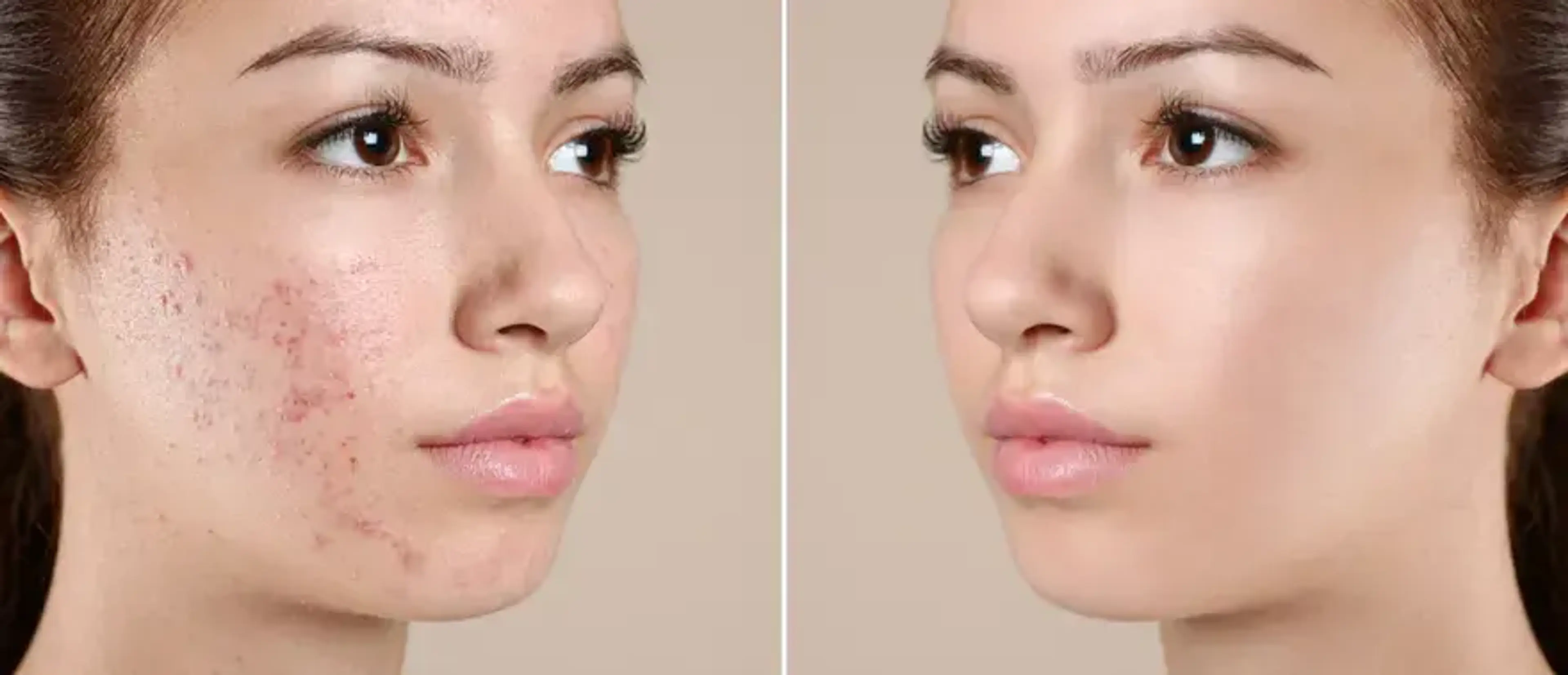
Our philosophy is rooted in the belief that every face tells a story, and blemish removal isn’t about erasing character — it’s about restoring harmony. In Korea, where the cultural ideal often leans toward clear, luminous skin (think "glass skin"), non-invasive mole and blemish removal is more than cosmetic. It’s a form of self-care.
Moles (medically referred to as nevi) are clusters of melanocytes — the pigment-producing cells in our skin. They can appear anywhere on the body and differ in appearance: flat or raised, light or dark, smooth or textured. Some stay stable for years, while others evolve with time due to sun exposure or hormonal shifts.
While most of these are harmless, they can interfere with a person’s aesthetic goals, especially in cultures like Korea where facial clarity is highly valued.
The lesion is in a highly visible area and affects your self-esteem
Makeup application is uneven due to texture or discoloration
Clothing constantly irritates or rubs the lesion
You feel anxious about its appearance changing or being mistaken for something more serious
Korea has become a global hub for advanced skin treatments — and mole/blemish removal is no exception. At Natural Beauty Clinic, we use a suite of scientifically proven, minimally invasive technologies.
This ablative laser vaporizes skin cells layer by layer. It’s ideal for raised moles, seborrheic keratoses, and certain flat pigmented lesions. The precision of CO2 lasers minimizes damage to surrounding tissue, reducing downtime and scarring.
Slightly gentler than CO2, the Erbium:YAG laser ablates the upper skin layers with less thermal damage. It’s often used for superficial lesions or in patients with sensitive skin.
RF technology uses electrical energy converted into heat to cut or coagulate tissue. It’s excellent for well-defined moles and skin tags. RF allows very fine control, often resulting in a smoother cosmetic finish.
This method freezes blemishes using liquid nitrogen. Ideal for superficial sunspots or warts, cryotherapy is quick and non-invasive but less predictable in pigmentation outcomes — particularly on darker skin.
A classic technique that uses electric current to destroy tissue. Best for small, superficial lesions, it’s cost-effective and widely available.
These are technically minimally invasive (not non-invasive) and involve removing the lesion with a blade under local anesthesia. Often used when pathology is needed. At Natural Beauty Clinic, we perform this with utmost precision, minimizing scarring.
The lesion’s type, size, depth, and location
Your skin tone and risk for hyperpigmentation
Your preferences regarding downtime and outcome
We cleanse and anesthetize the area (topical or local)
The treatment is performed (typically within 5–20 minutes)
A healing patch or ointment is applied
You receive customized aftercare guidance
Post-treatment care is the unsung hero of great skin outcomes. We provide every patient with a take-home kit and instructions, but here are the essentials:
We also offer LED light therapy or regenerative serums as optional add-ons to speed healing.
Not all mole removal clinics are equal. In places like Seoul’s Gangnam district, where aesthetic standards are high, it’s easy to be dazzled by flashy marketing. What matters more is:
Board-certified medical professionals (not technicians)
Proper evaluation of every lesion
Transparent explanation of risks and outcomes
Realistic expectations
Follow-up care and support
At Natural Beauty Clinic, we pride ourselves on personalized care, multilingual service, and skin science that puts your safety first. We don’t rush procedures or overpromise; we listen, evaluate, and tailor everything — down to the dressing on your skin.
At the end of the day, blemish removal isn’t about achieving perfection. It’s about feeling more comfortable in your skin — free from the small distractions that draw your eyes when they should be focused on the whole, beautiful picture of you.
We’ve helped thousands of patients — from local professionals to international travelers — reduce unwanted moles, lighten pigmentation, and refine their features with care and precision. And we’d be honored to help you, too.
If you’re considering mole or blemish removal, don’t just look for the cheapest deal or the newest gadget. Look for experience. Look for safety. Look for someone who understands not just how to treat skin — but how to honor it.