Home / Articles
Pigmentation & Aging: Can You Treat Both with One Solution?
Home / Articles
Pigmentation & Aging: Can You Treat Both with One Solution?
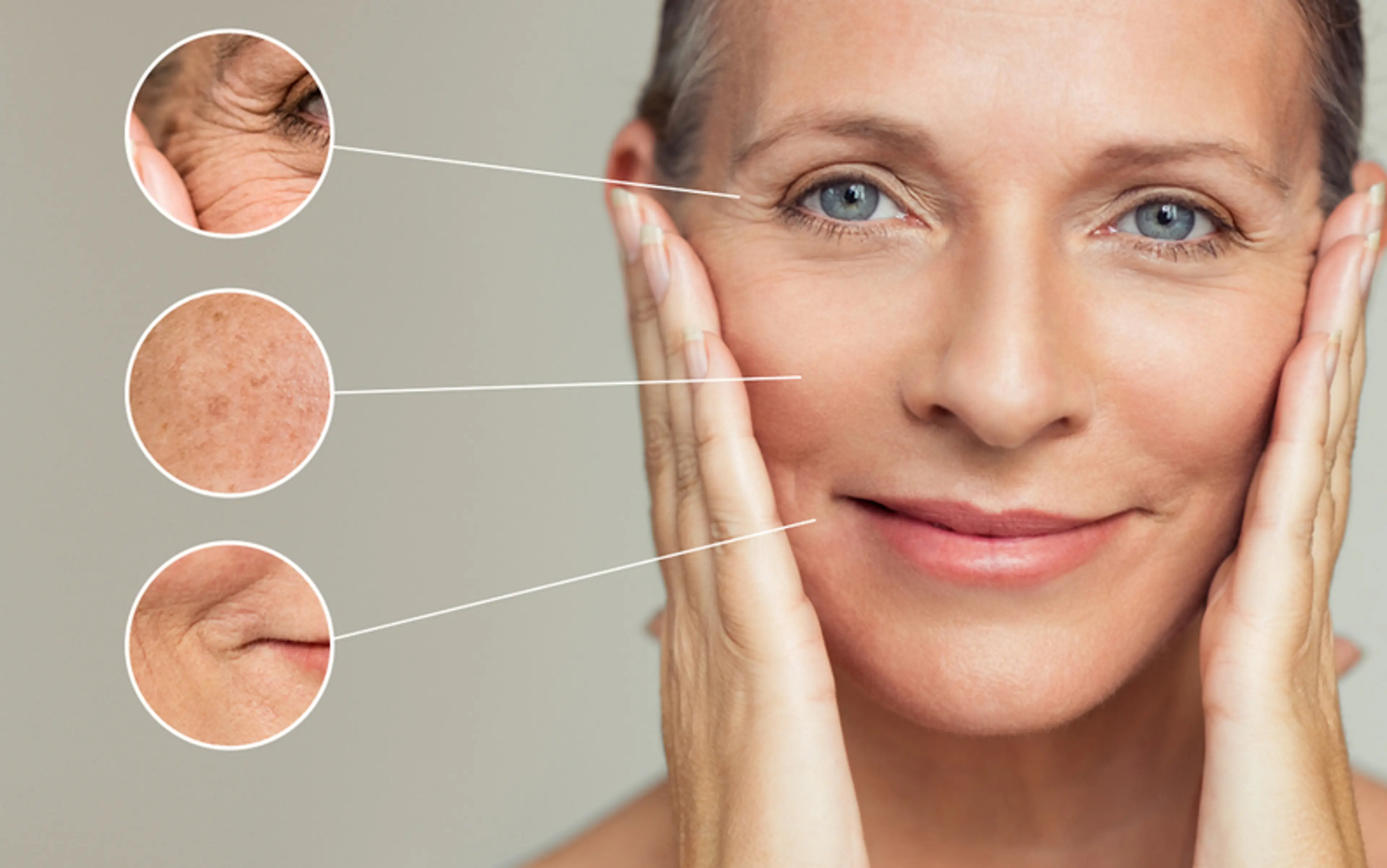
If you've ever looked in the mirror and felt that your skin tone appears uneven while your skin texture is becoming less firm or smooth, you're not alone. These two common concerns—hyperpigmentation and visible signs of aging—often appear together. And for many patients, the question is a practical one: can both be treated at once, with one solution? Or do they require entirely different approaches?
At Natural Beauty Clinic in Gangnam, we hear this concern often, especially from patients who want visible, long-term results without the downtime of invasive procedures. Whether you're navigating melasma, sun spots, fine lines, or early skin laxity, it helps to understand the biology behind both concerns and why a multimodal approach often works best.
Pigmentation issues such as melasma, age spots, or post-inflammatory hyperpigmentation stem from excess melanin production and poor regulation of melanocytes. This is often triggered by UV exposure, hormonal changes, or skin trauma. In Asian skin types, especially Fitzpatrick III–V, these concerns can be particularly persistent and prone to recurrence due to the skin’s natural predisposition to produce melanin as a defense mechanism.
Meanwhile, signs of aging—wrinkles, dullness, sagging, and fine lines—arise from the loss of collagen, elastin, and moisture in the skin. Environmental stress, genetics, and time all contribute to this gradual breakdown. Lifestyle factors such as smoking, diet, and sleep quality also influence how quickly signs of aging appear.
Though the root causes differ, both processes disrupt the skin's smooth appearance. And here's the good news: several advanced treatments can target both pathways simultaneously. Treating them together not only improves appearance but also boosts skin health and resilience in the long term.
A few powerhouse ingredients in modern skincare offer dual benefits:
When used under professional supervision, these ingredients can visibly improve both discoloration and texture within 8 to 12 weeks. However, their impact is gradual, and they are often most effective when paired with clinical treatments. Incorporating proper layering techniques, pH balancing, and barrier repair products can further amplify their benefits.
In Korea, where clinical aesthetics emphasize minimal downtime and long-term skin health, we commonly combine modalities. Here are some of the most effective approaches used at Natural Beauty Clinic:
Because pigment production and collagen loss stem from different biological processes, one "miracle solution" is unlikely to deliver optimal results. Think of it like trying to treat both dehydration and muscle fatigue with just water—you may need electrolytes, rest, and nutrition too.
This is why the most effective strategies often include:
Daily at-home actives (vitamin C, retinoids, 4-HR)
Strategic clinic treatments every 4–6 weeks
Lifestyle support (sun protection, diet, hydration)
This layered approach ensures that you're not just masking issues, but correcting them at their source. Long-term maintenance is also crucial, as pigmentation can return and collagen loss continues with age. Adopting habits such as consistent SPF use, reduced alcohol intake, and proper sleep can significantly enhance outcomes.
At our clinic in Gangnam, we take into account your skin type, lifestyle, and treatment goals to design a plan that works in synergy. For example:
For a patient in their 30s with melasma and early laxity, we might start with photofractional therapy and prescribe a gentle retinol-based cream for home use. This balances melanin control with collagen stimulation without triggering sensitivity. We might also add tranexamic acid serum or oral supplements to enhance melasma control.
For a patient in their 40s with sun spots and fine lines, we may alternate between IPL and fractional lasers, combined with antioxidant-rich serums. This staged approach allows the skin to recover while maintaining momentum in treatment results. We also advise targeted peptide masks and LED therapy to support skin healing post-laser.
Our treatments are guided by Dr. Eun-young Lee's philosophy of enhancing your natural beauty, not drastically altering it. We prioritize subtle, lasting results and FDA/CE/KFDA-approved technologies. Moreover, our multilingual team ensures clear communication and individualized care for both local and international patients. We frequently accommodate beauty-focused travelers seeking efficient, high-impact treatments during their stay in Seoul.
It's important to set realistic expectations. Pigmentation can take 2–3 months to fade visibly, especially if hormonal or inflammation-related. Collagen rebuilding is a slower process, often requiring 3–6 months to show firming effects. However, with consistent treatment and aftercare, the skin becomes visibly brighter, smoother, and more resilient.
We often explain to patients that skin health is like fitness—you can't achieve a toned body overnight, but with the right routine and expert guidance, transformation is inevitable. Maintenance appointments every 3–6 months and seasonal skincare adjustments also help sustain results. Taking periodic skin analyses can also help track improvements and make timely adjustments.
To answer the original question: yes, you can treat pigmentation and aging at once—but not with a single silver bullet. The key lies in combining safe, scientifically-backed treatments and ingredients that target both melanin production and dermal regeneration.
At Natural Beauty Clinic, we understand that no two skin journeys are alike. Whether you're in Seoul for a short visit or a long-term resident seeking holistic skin wellness, we offer treatment plans that work with your schedule and skincare goals.
Whether you're dealing with uneven tone, fine lines, or both, consider seeking care at a clinic like Natural Beauty in Gangnam. Here, you're not offered one-size-fits-all solutions but guided through a tailored, evidence-based journey to skin that looks refreshed, not overdone.