Home / Articles
Scars from Acne? Discover How to Minimize Them with Advanced Treatments
Home / Articles
Scars from Acne? Discover How to Minimize Them with Advanced Treatments
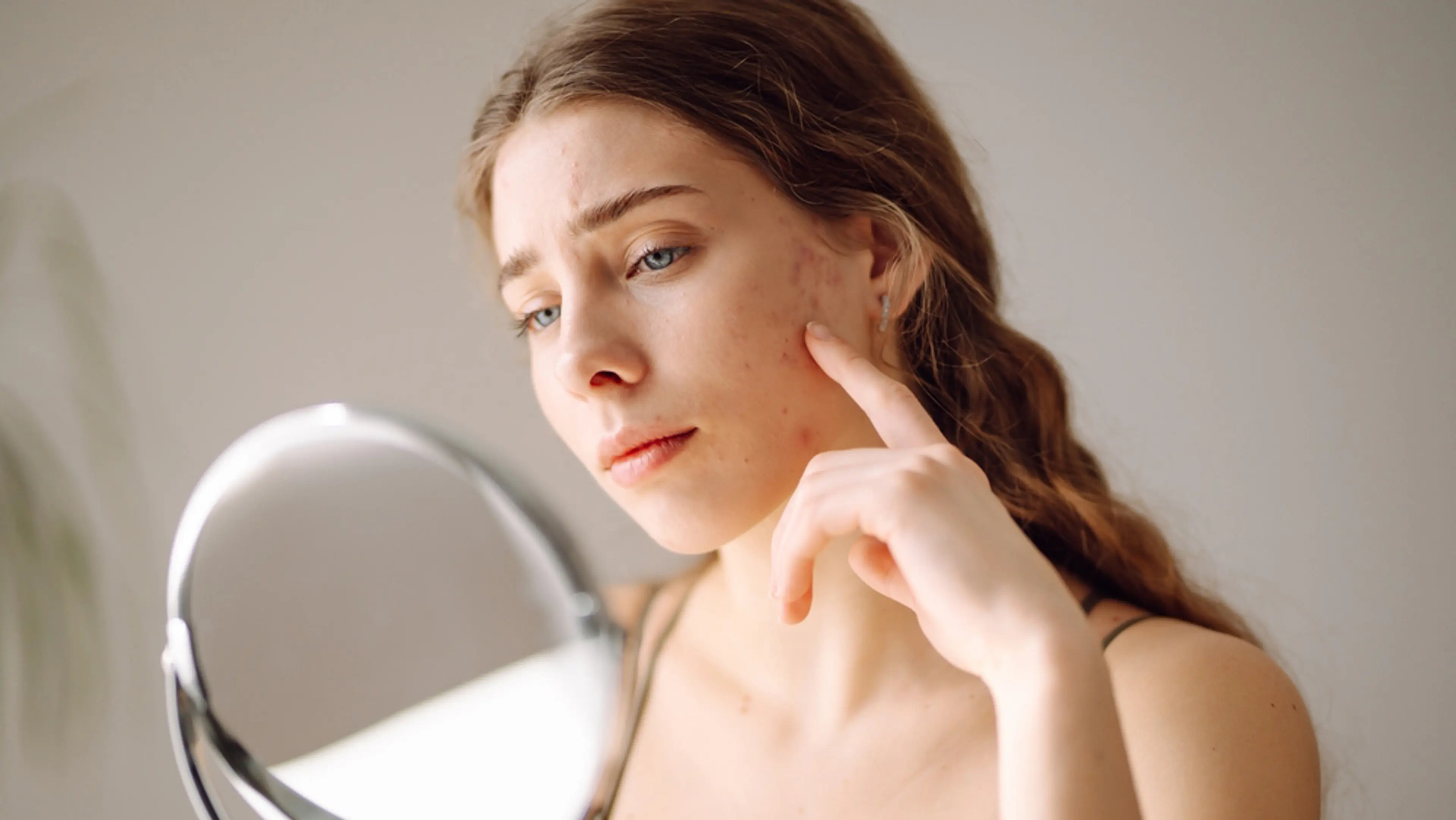
For many people, acne is more than just a teenage memory — it’s an ongoing concern that leaves behind scars long after breakouts have healed. You might look in the mirror and see small dents, stubborn dark spots, or rough patches that make your skin appear uneven. For some, these marks affect confidence as much as active acne ever did.
At Natural Beauty Clinic in Gangnam, we hear this story almost daily: “I worked so hard to clear my acne, but now I feel stuck with the scars it left behind.” If this sounds familiar, you’re not alone. Acne scarring is one of the most common reasons patients — both local and international — visit dermatology clinics in Seoul.
The encouraging news? Thanks to advanced dermatologic treatments, acne scars no longer have to be permanent. Whether you’re struggling with deep atrophic scars, ice pick marks, or lingering pigmentation, today’s non-invasive and minimally invasive solutions can significantly restore skin smoothness and clarity — often without disrupting your lifestyle.
This article will walk you through why scars form, why creams rarely work, and how cutting-edge treatments like fractional lasers, microneedling, and subcision can help you reclaim clear, confident skin.
Not every breakout leaves a scar, which often makes patients wonder: “Why did this particular pimple leave a mark while others didn’t?”
Collagen is the scaffolding of your skin — it keeps the surface smooth and supported. When severe inflammation damages this support system, the skin heals unevenly, leaving depressions or raised scars.
In Korean culture, where the idea of “glass skin” (clear, smooth, radiant skin) is highly prized, even small scars or pigmentation can feel noticeable. That’s why so many patients seek professional help to refine their skin’s texture and tone.
It’s natural to start with over-the-counter products when trying to treat scars. Creams with ingredients like retinol, vitamin C, or exfoliating acids can help fade pigmentation and improve overall skin quality. However, they cannot penetrate deeply enough to rebuild damaged collagen in the dermis.
At Natural Beauty Clinic, we often use this analogy: treating scars with creams is like trying to fix cracks in a wall with a coat of paint. The wall might look better temporarily, but the foundation damage remains.
For real, visible improvement in texture and indentation scars, treatments that reach deeper layers of skin are necessary.
Dermatology has evolved dramatically over the past decade. Instead of relying on invasive surgeries or harsh resurfacing, today’s treatments are safer, more precise, and tailored to each scar type.
Here are some of the most effective options offered at Natural Beauty Clinic:
Fractional lasers (such as CO2, Er:YAG, or Fraxel) create microscopic columns of controlled injury in the skin. This stimulates collagen remodeling while resurfacing the outer layer for smoother texture.
Patients often notice gradual improvement, with scars softening and pores appearing smaller.
This treatment uses tiny insulated needles to deliver radiofrequency energy directly into the dermis. The combination of controlled injury and heat triggers collagen production without significant surface damage.
Many patients choose this option when they want results but cannot take a week off work.
Some scars are tethered down by fibrous bands that pull the skin inward. Subcision involves carefully inserting a fine needle under the scar to break these bands, allowing the skin to lift and smooth.
This specialized chemical peel uses a high concentration of trichloroacetic acid (TCA) applied directly into deep, narrow scars (like ice pick scars). It stimulates collagen production at the base of the scar, gradually filling it in.
Not all “scars” are true scars. Many patients in Korea struggle with lingering brown or red marks after acne. These can be treated effectively with pigment-targeting lasers like Q-switched Nd:YAG or Pico lasers.
Acne scars often come in different shapes and depths — one person might have rolling scars on the cheeks, ice pick scars on the forehead, and pigmentation along the jawline.
This is why combination therapy works best. For example:
Subcision for tethered scars.
Fractional laser for overall texture.
Pigment laser for discoloration.
At Natural Beauty Clinic, every treatment plan begins with a detailed consultation and skin analysis. No two patients receive the exact same protocol — because no two skin stories are identical.
Patients often ask: “Will my scars disappear completely?” The honest answer is no — complete erasure is rarely possible. But a 50–80% improvement in texture and appearance is realistic with proper treatment.
Results depend on factors like scar type, skin type, age, and consistency with treatments. Most patients see noticeable improvement after 3–5 sessions, with continued collagen remodeling for months afterward.
Equally important is maintenance: protecting your skin from sun damage, maintaining a healthy routine, and addressing any recurring acne quickly to prevent new scars.
In Seoul, where skincare is deeply embedded in lifestyle, patients value treatments that are effective yet discreet. Unlike invasive surgeries, modern scar treatments fit into busy schedules with minimal downtime.
This reflects Korea’s broader beauty philosophy: enhance, don’t drastically change. Patients want to look like themselves — just smoother, clearer, and more confident.
Choosing the right clinic is just as important as the treatment itself. Acne scar management requires precision, experience, and an understanding of how Asian skin heals.
At Natural Beauty Clinic, you’ll find:
Acne scars may feel permanent, but with today’s advanced dermatologic treatments, they don’t have to define your skin. From fractional lasers to microneedling, subcision, and pigment lasers, there are safe, effective options that can smooth texture, reduce discoloration, and restore confidence.
At Natural Beauty Clinic in Gangnam, our philosophy is simple: enhance your natural beauty, never mask it. Scar care isn’t about chasing perfection — it’s about helping your skin reflect the best version of you.